There is a specific kind of culinary magic that happens when the humble spud meets the intense, geometric heat of a waffle iron. Potato Waffles are not just a side dish; they are a sensory experience that bridges the gap between a classic hash brown and a soft, pillowy mashed potato.
Imagine holding a thick, golden-brown treasure wrapped in a rustic linen napkin, the steam rising in the soft morning light. As you break off a corner, the audible “crunch” of the lacy, toasted edges gives way to a cloud-like interior that practically melts on your tongue. This is the recipe that turns a simple breakfast into a gourmet handheld event.
Whether you are looking for a creative way to use up last night’s leftovers or you want to elevate your brunch game, these Potato Waffles deliver on every promise. We have engineered this recipe to ensure that every bite features that iconic “air-fried” level of crispness while maintaining a rich, savory core.

Why These Golden-Brown Savory Waffles Redefine Comfort Food
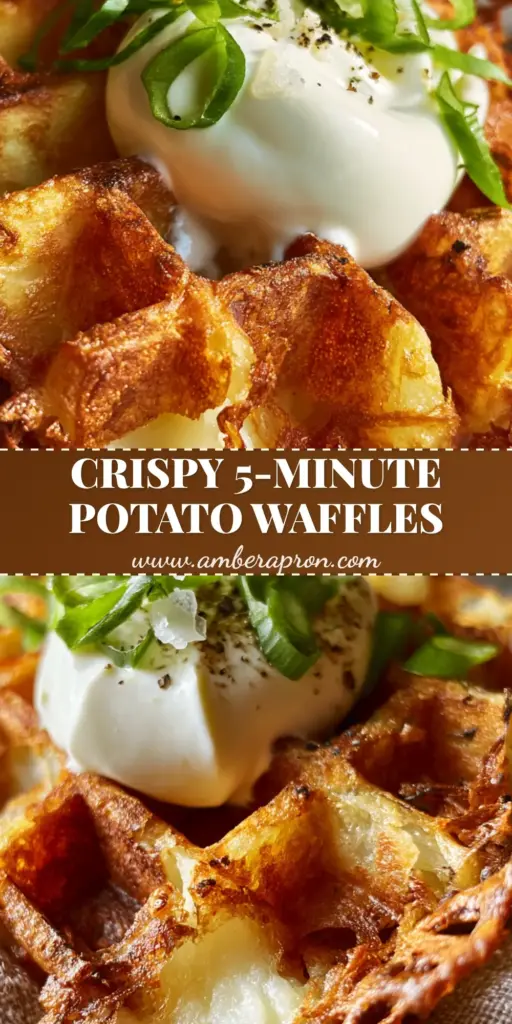
- Extreme Geometric Texture: The deep ridges created by the waffle iron increase the surface area, leading to an ultra-crispy, lacy exterior that rivals any deep-fried snack.
- The “Cloud” Effect: By using a specific ratio of starch and fat, the interior remains steaming and soft, providing a stark contrast to the toasted shell.
- Pillowy Toppings: A cold, thick dollop of sour cream creates a temperature play against the hot potato, while scallions provide a necessary bite of freshness.
- Perfectly Portable: Designed to be held in a napkin, these are the ultimate “handheld” gourmet treats for busy mornings or rustic outdoor brunches.
The Anatomy of a Perfect Potato Waffle: Ingredients and Science
To achieve the visual and structural perfection seen in our blueprint, we must select ingredients that balance moisture and structural integrity. Every component serves a specific purpose in the Maillard reaction and the final “mouthfeel” of the dish.
Russet Potatoes (approx. 2 lbs / 900g): High-starch Russets are non-negotiable for this recipe; their low moisture content ensures a fluffy interior rather than a gummy one. When mashed, they provide the structural scaffolding for the waffle.
Unsalted Butter (4 tbsp / 56g, melted): Butter provides the necessary fat to conduct heat into the ridges of the waffle iron, ensuring those edges become deeply golden and “lacy.” It also adds a rich, nutty undertone to the potato base.
Large Eggs (2 total): Eggs act as the primary binder, coagulating under heat to hold the mashed potato together so it doesn’t crumble when you lift it out of the iron. They also contribute to the “steaming white interior” mentioned in our visual prompt.
All-Purpose Flour (1/2 cup / 65g): A small amount of flour works with the potato starch to create a stable batter. For those looking for gluten-free alternatives, you might find success with our oat flour waffles technique adapted for savory bases.
Sour Cream (for serving): Use full-fat, cold sour cream to achieve that “pillowy dollop” look. The acidity cuts through the richness of the potato and butter perfectly.
Fresh Scallions: Paper-thin slices of bright green scallions provide a vibrant visual contrast and a sharp, peppery finish that awakens the palate.
Maldon Flaky Sea Salt & Cracked Black Pepper: These aren’t just seasonings; they are texture. The large flakes of salt provide a sudden burst of salinity that enhances the earthy potato flavor.
Essential Gear for Achieving Geometric Ridges
To replicate the macro, eye-level handheld shot of our dreams, you need more than just ingredients; you need the right tools. The geometry of the waffle is entirely dependent on the depth of your iron.
A Belgian-style waffle iron is preferred here because its deep pockets allow for more surface area crisping. If you only have a standard iron, your Potato Waffles will be thinner but even crunchier. You will also need a fine-mesh ricer or a sturdy masher to ensure there are no large lumps of potato that could disrupt the waffle’s “lacy” structure.
Finally, a high-quality air fryer is an optional but highly recommended tool for “finishing.” If you find your waffles are soft after sitting for a minute, a 2-minute blast in the air fryer at 400°F (200°C) will restore that extreme, shattered-glass crispness described in the visual blueprint.

Step-By-Step: Mastering the Art of the Savory Potato Waffle
Preparing the High-Starch Potato Base
Start by peeling and cubing your Russet potatoes. Boil them in salted water until they are fork-tender, then drain them thoroughly. It is vital to let the potatoes steam-dry for 2-3 minutes in the hot pot after draining; this removes excess moisture which is the enemy of a crispy waffle.
Pass the potatoes through a ricer into a large bowl. This ensures a “fluffy mashed potato center” that is completely smooth. Fold in your melted butter and a pinch of salt while the potatoes are still warm, allowing the fat to coat the starch granules.
Creating the Structural Batter
Once the potatoes have cooled slightly (so you don’t scramble the eggs), whisk in your eggs and flour. The batter should be thick and hold its shape on a spoon. This consistency is what allows the waffle to develop those “deep, geometric ridges” without leaking out of the iron.
Fold in half of your sliced scallions directly into the batter for an infused onion flavor. If you’re looking for a complete meal, consider serving these alongside some savory beef and broccoli or even a creamy seafood bake for a sophisticated “surf and turf” brunch.
The Sizzle and the Steam: Waffling Technique
Preheat your waffle iron to its highest setting. Brush the plates generously with oil or melted butter—even if the iron is non-stick. The extra fat is what creates the “extreme crispy, lacy edges” seen in the handheld shot.
Place a generous scoop of the potato mixture into the center of the iron. Close the lid and resist the urge to peek! You should see steam rising vigorously; this is the moisture leaving the potato, which concentrates the flavor and hardens the crust. Wait until the steam almost stops before opening the iron.
The Finishing Touches: Garnish and Presentation
Carefully remove the waffle using a silicone spatula. If you want that “air-fried” finish, pop it into an air fryer for 120 seconds. Place the hot waffle in a rustic linen napkin to mimic the professional handheld photography style.
Add a thick, pillowy dollop of cold sour cream right in the center, watching as it begins to melt slightly into the hot crevices. Sprinkle with the remaining paper-thin scallions, a generous pinch of Maldon flaky sea salt, and a dusting of freshly cracked black pepper. The visual contrast of the white cream against the golden waffle is the hallmark of a master chef.
Expert Tips for the Fluffiest, Crispiest Results
- Temperature Control: Ensure your sour cream is ice-cold. The temperature differential between the steaming potato and the cold dairy is a key sensory element of the Potato Waffles experience.
- The “Lacy” Secret: For even lacier edges, add a tablespoon of cornstarch to the flour. This increases the “shatter” factor of the crust.
- Don’t Overmix: When adding the flour, fold it in gently. Overworking the potato starch can lead to a “gummy” interior rather than the “soft, steaming white” center we want.
- Reheating Perfection: Never use a microwave. To maintain the integrity of the ridges, always reheat in a toaster or an air fryer.
What to Pair with Your Potato Waffles
While these Potato Waffles are a triumph on their own, they also serve as a versatile base for other flavors. For a lighter breakfast, pair them with an avocado toast with egg on the side to balance the starch with healthy fats.
If you are serving these as a savory dinner component, they pair beautifully with paleo family dinner recipes that focus on roasted meats and vegetables. The earthiness of the potato complements almost any protein, from grilled chicken to a rich braised short rib.
Frequently Asked Questions
Yes! Leftover mashed potatoes work perfectly. If they are cold, ensure you whisk in an extra egg to help bind the cold starch and restore the fluffy texture.
Absolutely. You can substitute the all-purpose flour with a 1:1 gluten-free flour blend or even potato starch for an even lighter, crispier result.
The secret is two-fold: use plenty of fat (oil or butter) on the waffle iron plates and finish the cooked waffles in an air fryer for 2 minutes at 400°F (200°C).
Russet potatoes (or Maris Piper in the UK) are best because of their high starch content, which yields the fluffiest interior and the crispest exterior.
Potato waffles can be delicate. Ensure the iron is fully preheated and well-greased. Also, wait until the steam has almost completely stopped before opening the lid.
The Ultimate Crispy Potato Waffle Recipe

Potato Waffles: The Ultimate Crispy Handheld Comfort Food
Ingredients
Equipment
Method
- Boil the cubed Russet potatoes in salted water until tender. Drain and let steam-dry for 2 minutes, then pass through a ricer into a large bowl.
- Fold melted butter into the potatoes. Once cooled slightly, stir in the beaten eggs, flour, and half of the scallions until a thick batter forms.
- Grease a preheated waffle iron and add a scoop of potato mixture. Cook until steam stops rising and edges are a deep golden-brown.
- Optional: Place waffles in an air fryer at 400°F (200°C) for 2 minutes to achieve extreme, lacy crispness.
- Top hot waffles with a thick dollop of cold sour cream, the remaining scallions, Maldon salt, and cracked pepper.
Notes
Preheat the waffle iron thoroughly to prevent sticking and ensure a crisp crust.
Bringing the Golden Crunch Home
These Potato Waffles are more than just a meal; they are a masterclass in texture and temperature. From the lacy, toasted edges to the pillowy dollop of melting sour cream, every element is designed to provide maximum satisfaction. We hope this recipe becomes a staple in your weekend rotation!
If you enjoyed this recipe, please leave a comment below and let us know how your “geometric ridges” turned out! Don’t forget to share your photos and tag us on Pinterest so we can see your handheld masterpieces.