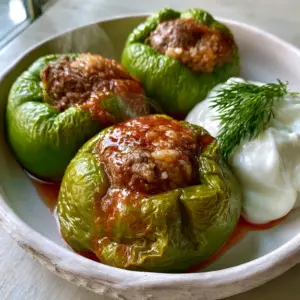
Experience the soul-warming aroma of Turkish Stuffed Peppers, a culinary masterpiece that brings the vibrant streets of Istanbul directly to your dining table. Known locally as “Biber Dolması,” this dish is more than just a meal; it is a celebration of textures, featuring tender green peppers bursting with a savory blend of browned beef and aromatic rice.
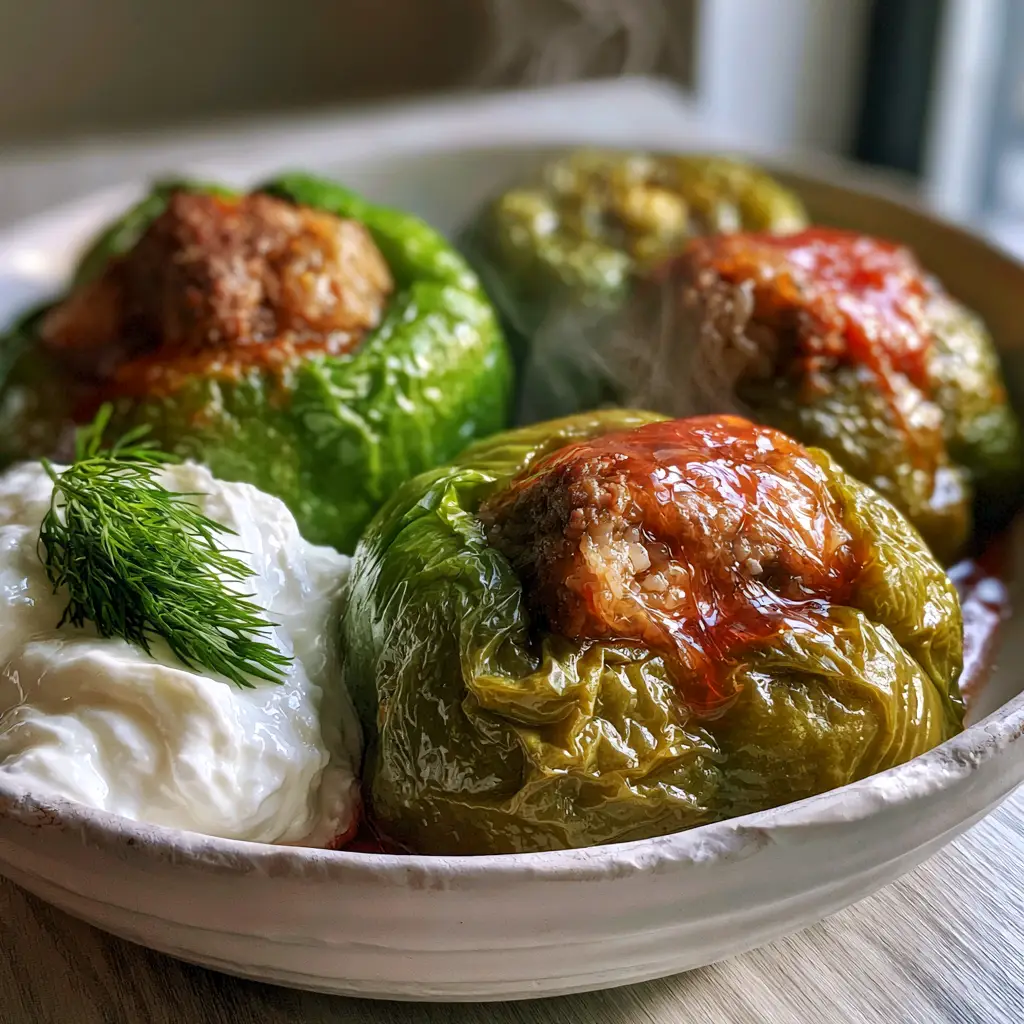
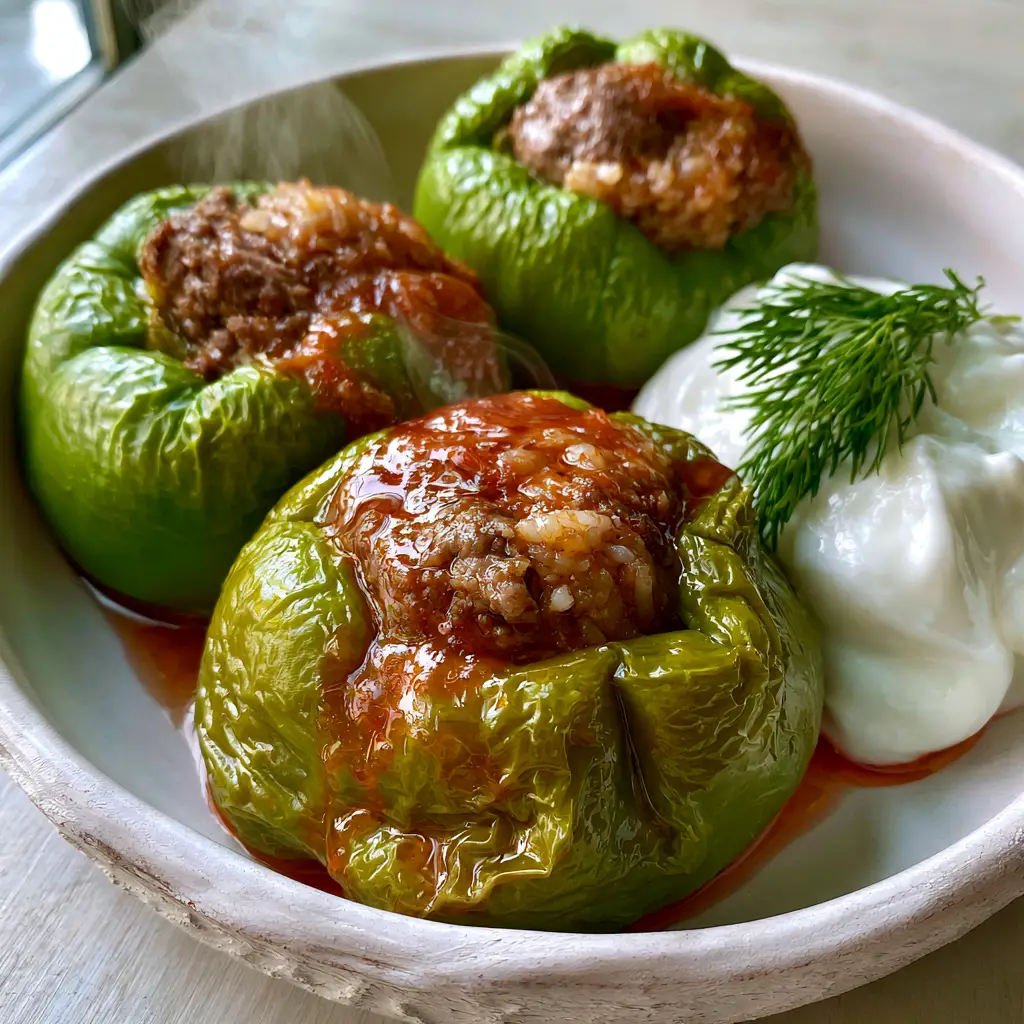
Imagine lifting a lid to reveal three vibrant green Turkish bell peppers nestled in a rustic ceramic bowl, glistening with a rich, translucent red tomato and olive oil glaze. The sight of visible steam rising from the hot filling, paired with a cool dollop of thick Greek yogurt and a fresh sprig of dill, creates a sensory experience that defines the authentic food blog aesthetic.
Whether you are a seasoned home cook or exploring Mediterranean cuisine for the first time, this recipe is designed to deliver professional-grade results. We have meticulously balanced the earthy ground beef with fluffy white rice and fresh herbs to ensure every bite is a perfect harmony of flavors.
Why You Will Love These Authentic Biber Dolması
- Tender, Silky Texture: The peppers are simmered until slightly wrinkled and incredibly tender, allowing them to melt in your mouth.
- Perfectly Fluffy Filling: By using specific rice-to-meat ratios, the interior remains light and airy rather than dense or heavy.
- Rich Tomato Glaze: A deep, translucent red glaze made from high-quality tomato paste and olive oil provides a savory punch to the exterior.
- Visual Masterpiece: The contrast between the vibrant green peppers, the white Greek yogurt, and the bright green dill sprig makes this a photogenic centerpiece.
The Anatomy of Perfect Turkish Stuffed Peppers
To achieve the specific visual and flavor profile described in our blueprint, we must select ingredients that serve both structural and aesthetic purposes. Every component, from the choice of pepper to the final garnish, plays a critical role in the final dish.
Turkish Dolma Peppers: Look for small, light-green, thin-walled peppers often found in Mediterranean markets. If unavailable, small organic green bell peppers work as a structurally sound substitute.
Ground Beef (80/20 Blend): We use 1 lb (450g) of ground beef to ensure the filling is rich and moist. The fat content is essential for browning the meat deeply before it is stuffed into the peppers.
Aromatic White Rice: 1 cup (200g) of long-grain white rice or Turkish Baldo rice provides the “fluffy” characteristic seen in the visual prompt. The rice absorbs the juices of the beef and the tomato glaze during the simmering process.
Tomato Paste & Olive Oil: This duo creates the translucent glaze. The tomato paste provides the rich red color, while the 1/4 cup (60ml) of extra virgin olive oil creates that signature glisten.
Fresh Herb Medley: 1/2 cup (15g) of chopped fresh parsley is mixed into the filling, while a sprig of fresh dill serves as the final aromatic crown. These herbs provide the vibrant green contrast against the red sauce.
Greek Yogurt: A generous dollop of thick, creamy Greek yogurt provides a cooling acidic counterpoint to the savory, hot peppers. This is a non-negotiable element for authentic Mediterranean presentation.
Essential Kitchen Tools for Stuffed Pepper Success
Achieving the “slightly wrinkled” and “tender” look requires specific heat management. You will need a heavy-bottomed pot or a Dutch oven with a tight-fitting lid to trap the steam vapor effectively.
A sharp paring knife is required to cleanly remove the tops of the peppers without cracking the walls. You will also need a large mixing bowl to combine the filling and a whisk to emulsify the tomato glaze before pouring it over the peppers.
If you enjoy preparing hearty, meat-centric dishes like this, you might also be interested in our cheesy ground beef stuffed peppers for a fusion-style weeknight meal.
Step-by-Step Guide to Mastering Turkish Stuffed Peppers
Preparing the Pepper Vessels
Begin by washing 6-8 small green peppers. Using a paring knife, carefully cut around the stem to remove the “lid,” but do not discard them—we will use these as caps during the cooking process. Remove the seeds and internal ribs, creating a clean cavity for the filling.
Browning the Beef and Mixing the Filling
In a large skillet, heat 1 tbsp (15ml) of olive oil over medium-high heat. Add the ground beef and cook, breaking it up with a wooden spoon, until it is thoroughly browned and a deep golden crust forms. This “culinary forensics” step ensures the filling has a complex, roasted flavor rather than a boiled taste.
In a large bowl, combine the browned beef with the rinsed rice, chopped fresh parsley, 1 finely diced onion, and 2 cloves of minced garlic. Season with 1.5 tsp (9g) of sea salt and 1 tsp (2g) of black pepper. The rice should be raw at this stage, as it will cook perfectly inside the peppers.
The Art of Stuffing and Glazing
Loosely spoon the filling into each pepper. Do not pack the mixture tightly! The rice needs room to expand as it absorbs liquid; overstuffing will cause the peppers to burst or the rice to remain crunchy. Place the stem lids back on top of each pepper.
In a separate jug, whisk together 2 tbsp (30g) of tomato paste, 1.5 cups (355ml) of hot water, and 2 tbsp (30ml) of olive oil until smooth. This creates the “rich, translucent red tomato glaze” that will coat the peppers as they simmer.
Simmering to Perfection
Arrange the peppers upright in your pot so they are snug and won’t tip over. Pour the tomato glaze around the peppers, not directly into them. Bring the liquid to a gentle simmer over medium heat.
Reduce the heat to low, cover the pot tightly, and simmer for 40-45 minutes. You are looking for the peppers to become tender and slightly wrinkled. When you lift the lid, a cloud of steam vapor should escape, signaling that the interior rice is fluffy and hot.
Expert Tips for Visual and Flavor Excellence
- The “Wobble” Test: Your peppers are done when they feel soft to a gentle poke and the rice grains inside are tender but distinct.
- Embrace the Wrinkles: In Turkish cuisine, the slight wrinkling of the pepper skin is a sign of a perfectly cooked dolma. It indicates the pepper has fully softened and absorbed the flavors of the sauce.
- The Glaze Glisten: Before serving, use a spoon to baste the tops of the peppers with the reduced tomato sauce in the pot. This creates the shiny, professional aesthetic found in high-end food photography.
- Yogurt Temperature: Always serve the Greek yogurt cold. The contrast between the hot, steaming pepper and the cold, thick yogurt is a hallmark of the Turkish dining experience.
Flavor Pairings and Serving Suggestions
Turkish Stuffed Peppers are a complete meal on their own, but they pair beautifully with light, acidic sides. We recommend serving them alongside a chickpea spinach feta salad to add a fresh crunch to the plate.
If you are looking for more Mediterranean inspiration, consider our sautéed mushroom recipes as an additional side dish or even a blueberry spinach salad for a surprising fruit-forward contrast. For those following specific dietary paths, these peppers can be adapted for paleo family dinner recipes by substituting the rice with cauliflower rice.
Storage, Reheating, and Freezing
Storage: These peppers actually taste better the next day as the flavors continue to meld. Store them in an airtight container in the refrigerator for up to 4 days.
Reheating: To maintain the tender texture, reheat the peppers in a small pot with a splash of water over low heat, covered. Avoid the microwave if possible, as it can toughen the pepper skins.
Freezing: You can freeze Turkish Stuffed Peppers for up to 3 months. Thaw them overnight in the refrigerator before reheating gently on the stovetop.
Common Questions About Stuffed Peppers
While traditional Biber Dolması uses white rice for a fluffy texture, you can use brown rice. However, you must par-cook the brown rice for 15-20 minutes first, as it takes much longer to soften than the peppers.
For this specific recipe, we brown the ground beef first. This ensures a rich, savory flavor and a better texture than mixing raw meat with rice, which can sometimes lead to a dense, loaf-like filling.
The glisten comes from a high-quality extra virgin olive oil emulsified with tomato paste and water. Basting the peppers with the sauce halfway through cooking ensures that translucent, glistening finish.
Toughness usually results from not simmering long enough or not using enough olive oil. Bitterness can occur if you use large, thick-skinned bell peppers instead of the smaller, thin-walled Turkish dolma varieties.
The Ultimate Turkish Stuffed Peppers Recipe
Turkish Stuffed Peppers: An Authentic Mediterranean Comfort Recipe
Ingredients
Equipment
Method
- Wash peppers and cut the tops off. Remove seeds and ribs while keeping the 'lids' for later.
- Sauté ground beef in a skillet until browned and caramelized. Mix with rice, onion, garlic, and parsley in a bowl.
- Loosely fill peppers with the beef and rice mixture, then place their lids back on.
- Arrange peppers in a pot. Pour a mixture of tomato paste, water, and olive oil around them. Cover and simmer for 45 minutes until peppers are wrinkled and tender.
- Serve hot with a dollop of Greek yogurt, a sprig of dill, and a final drizzle of olive oil.
Notes
Use a tight lid to ensure steam vapor stays inside for tender results.
Conclusion: Bring the Mediterranean Home
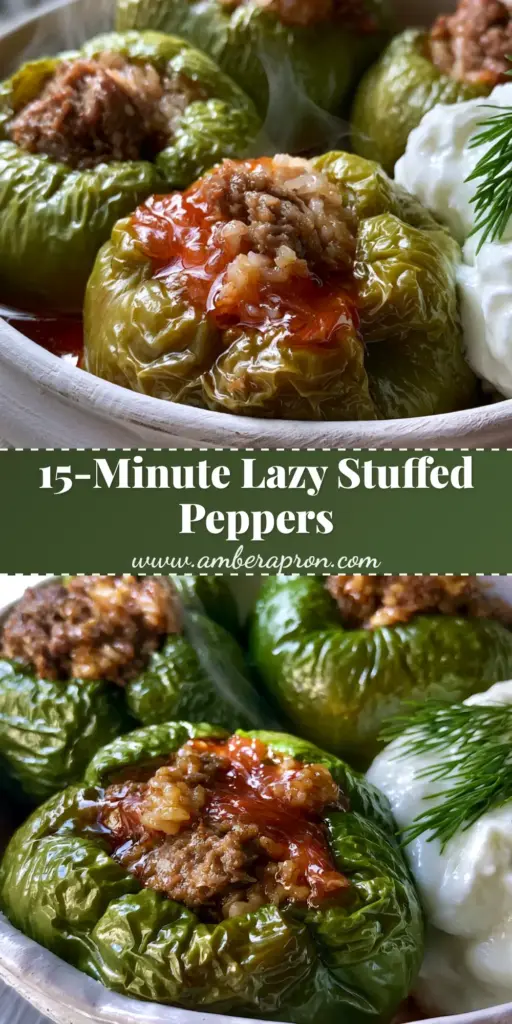
Mastering Turkish Stuffed Peppers is a rewarding journey into the heart of Mediterranean home cooking. The combination of browned beef, fluffy rice, and that signature tomato glaze creates a dish that is as visually stunning as it is delicious. By following our sensory cues—from the sound of the searing beef to the sight of the wrinkled pepper skins—you are guaranteed a result that looks exactly like our professional food blog photography.
We invite you to share your results! Did your peppers achieve that perfect glisten? Let us know in the comments below. For more visual inspiration and recipe saves, be sure to follow us on Pinterest and pin this recipe to your favorite Mediterranean board.