Tanghulu is more than just a sweet treat; it is a sensory masterpiece that combines the vibrant tartness of fresh fruit with a shatter-prone, glass-like sugar shell. Originating as a traditional Northern Chinese street food, this candied fruit skewer has taken the digital world by storm, captivating foodies with its high-gloss finish and the unmistakable “crunch” heard in every bite.
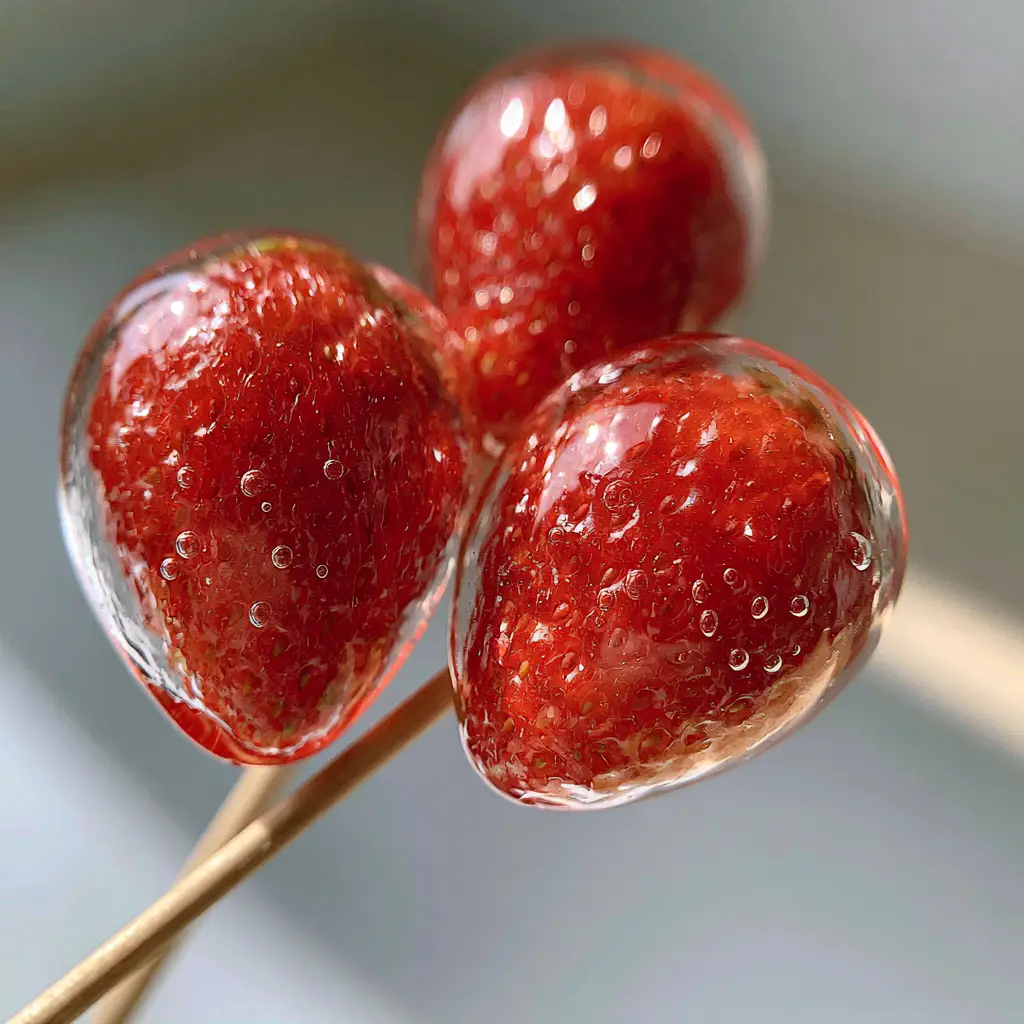
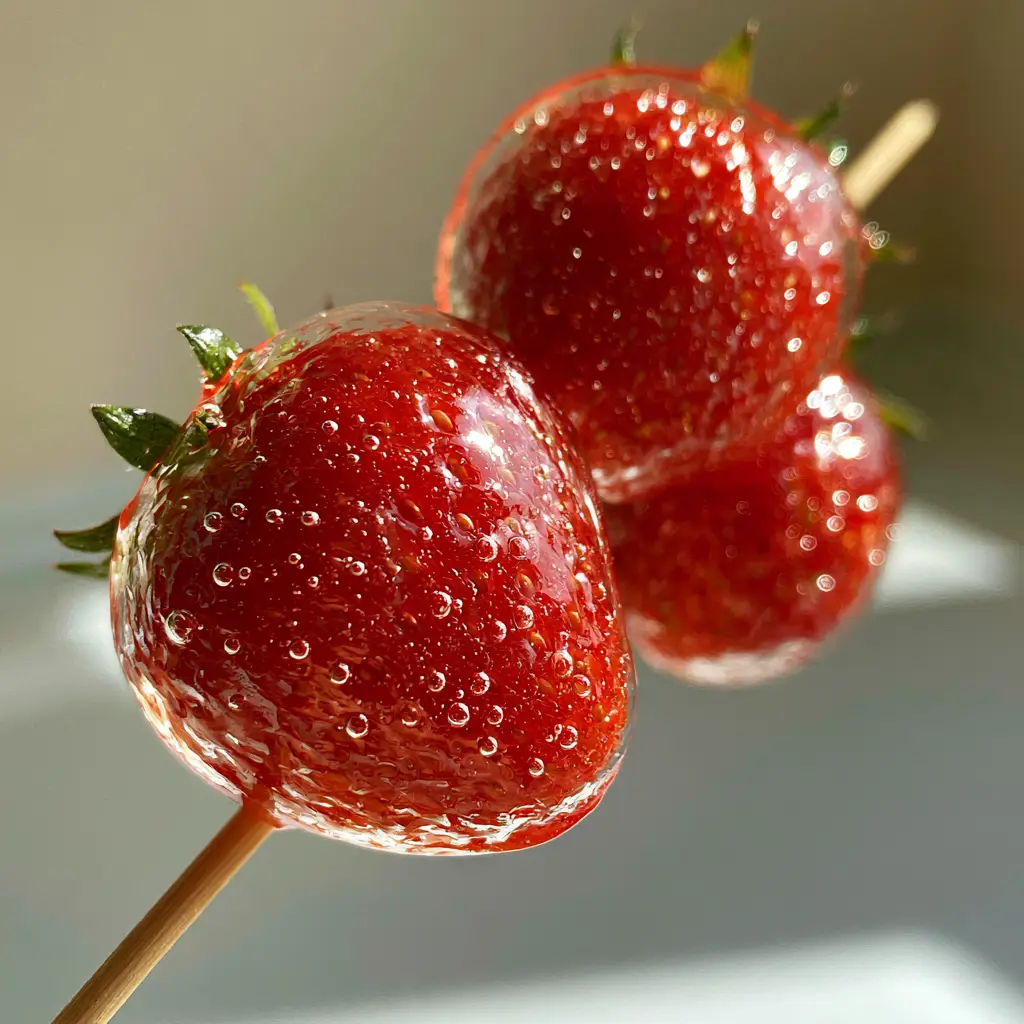
Achieving the perfect Tanghulu requires a blend of culinary precision and scientific understanding of sugar carbonization. When done correctly, the result is a handheld smartphone-worthy dessert featuring three large, vibrant red strawberries encased in an incredibly thin, crystal-clear coating that reflects soft natural sunlight like a gemstone.
In this comprehensive guide, we will dive deep into the forensic details of creating a reflective sugar shell. From managing microscopic air bubbles to ensuring your glaze remains transparent and refractive, we are uncovering the professional secrets to mastering this iconic snack in your own kitchen.
The Anatomy of a Flawless Strawberry Tanghulu
- The Crystal-Clear Crunch: A perfectly executed sugar shell should be ultra-thin and transparent, providing a clean snap without sticking to your teeth.
- Vibrant Visual Appeal: By using fresh, whole strawberries, you maintain a juicy interior that contrasts beautifully with the hardened crystallized syrup.
- Microscopic Precision: Learn how to control the boiling process to achieve that high-gloss finish with only a few tiny, microscopic air bubbles trapped inside for an authentic aesthetic.
- Structural Integrity: Using a thin wooden skewer at a precise angle ensures the strawberries stay secure while you achieve a 360-degree refractive layer.
The Essential Components for a Crystal-Clear Crunch
Success starts with the quality of your ingredients. While the list is short, each element plays a critical role in the chemical reaction required to reach the hard-crack stage.
Fresh Whole Strawberries: Choose medium to large strawberries that are firm and vibrantly red. Avoid overripe fruit, as the excess moisture can prevent the sugar from adhering to the surface.
Granulated White Sugar: This provides the base for our syrup. High-quality granulated sugar melts more evenly, which is essential for creating that perfectly smooth and transparent finish.
Filtered Water: Water acts as the medium to dissolve the sugar. Using filtered water ensures no impurities interfere with the clarity of your ultra-thin transparent sugar glaze.
Light Corn Syrup (The Secret Stabilizer): While optional in some recipes, a small amount of corn syrup prevents unwanted crystallization. This ensures your glaze remains a glass-like sugar coating rather than turning grainy.
Wooden Skewers: These are the structural backbone of your Tanghulu. Ensure they are clean and dry to provide the necessary grip for the fruit as you dip and twirl.
Necessary Tools for Culinary Precision
To recreate the refractive layer and shatter-prone edges seen in professional culinary photography, you need the right equipment. Precision is the difference between a sticky mess and a hardened crystallized syrup.
A heavy-bottomed stainless steel saucepan is vital for even heat distribution. This prevents “hot spots” that could burn the sugar and ruin the transparent aesthetic.
A digital candy thermometer is non-negotiable for beginners. You must accurately track the temperature until it reaches exactly 300°F (150°C), the “hard crack” stage.
Prepare a large bowl of ice water—this is your “flash-set” station. Dipping the candied fruit into an ice bath immediately after the sugar dip locks in the shine and creates that high-gloss finish.
Selecting the Perfect Strawberry for Candying
Not all fruit is created equal when it comes to the Tanghulu process. You want strawberries that can withstand the heat of the syrup without turning to mush.
Look for strawberries with a consistent conical shape. This allows the sugar syrup to flow down the sides evenly, resulting in an incredibly thin, crystal-clear coating.
Make sure to wash your fruit thoroughly but—crucially—dry them until they are bone-dry. Any residual moisture on the skin will cause the sugar to slide off or create steam pockets under the shell.
While you prepare your fruit, consider planning the rest of your menu. This sweet treat pairs exceptionally well after a savory meal like Korean beef bowls or even a light Mediterranean quinoa salad.
Mastering the Art of the Sugar Dip: A Step-by-Step Guide
Preparing the Fruit Foundation
Start by washing 12-15 large strawberries in cold water. Remove the leafy green tops (hulls) carefully to keep the strawberry whole and juicy.
Use a paper towel to pat each berry dry individually. Let them air dry on a wire rack for at least 15 minutes to ensure no “invisible” moisture remains on the surface.
Thread three strawberries onto each wooden skewer. Push them close together but leave enough space at the tip so the sugar can encase the top berry entirely.
Simmering the Reflective Sugar Shell
In your heavy saucepan, combine 2 cups (400g) of granulated sugar, 1 cup (240ml) of water, and 1 tbsp (15ml) of light corn syrup. Do not stir the mixture once it starts to boil.
Place the saucepan over medium-high heat. As the mixture heats, use a wet pastry brush to wipe down any sugar crystals that form on the sides of the pan.
Monitor the thermometer closely. The bubbles will transition from large and watery to small, dense, and slow-moving as the water evaporates.
The Forensic Dip and Flash-Set
Once the syrup hits 300°F (150°C), immediately turn the heat to the lowest setting. The syrup should be a pale straw color and perfectly transparent.
Tilt the pan so the syrup pools on one side. Hold the skewer at an angle and quickly twirl the strawberries through the syrup once.
Immediately plunge the coated skewer into a prepared ice bath for 5 seconds. This creates the “shatter-prone edges” and prevents the heat of the sugar from cooking the fruit inside.
Expert Tips for Tanghulu Success
- Avoid Over-Stirring: Stirring the boiling syrup introduces air and can trigger a chain reaction of crystallization, making the glaze cloudy.
- The Cold Water Test: If you don’t have a thermometer, drop a small bit of syrup into ice water. If it hardens instantly and snaps when bent, it is ready.
- Work with Speed: The sugar cools rapidly. Once you reach the target temperature, you have a limited window to achieve that ultra-thin transparent sugar glaze.
- Humidity Matters: Try to make Tanghulu on a dry day. High humidity can make the sugar shell become sticky and “weep” within minutes.
The Science of the Hard Crack Stage
To achieve the high-gloss finish described in our visual prompt, you are essentially creating an amorphous solid. By heating the sugar to 300°F (150°C), you remove almost all water content (99%).
When this concentrated syrup is cooled rapidly in an ice bath, the molecules don’t have time to organize into a crystal lattice. Instead, they freeze in a random, glass-like state.
This “glass transition” is what gives Tanghulu its refractive layer properties. The tiny, microscopic air bubbles trapped inside are a byproduct of the rapid boiling and the physical act of dipping.
Creative Pairings and Serving Suggestions
Tanghulu is best served immediately to maintain its “crystal-clear” appearance. If you are hosting a themed dinner, consider serving these alongside other vibrant dishes.
For a refreshing summer spread, pair your strawberries with a blackberry coconut pink drink or a tropical dragon fruit colada. The colors will look stunning on any table.
If you’re looking for more fruity dessert inspiration, these skewers complement the flavor profile of mango strawberry sunset cupcakes perfectly.
Practical Storage and Shelf Life Advice
Because the sugar shell is hygroscopic (it attracts moisture), Tanghulu does not store well. The moisture from the fruit and the air will eventually dissolve the sugar.
For the best experience, consume the skewers within 1-2 hours of making them. If you must store them, place them in an airtight container with a piece of parchment paper between layers, and keep them in a cool, dry place.
Do not refrigerate Tanghulu for long periods. The humidity in the fridge will turn the glass-like sugar coating into a sticky syrup very quickly.
Frequently Asked Questions
Yes! Grapes, tangerine segments, and kiwi slices work beautifully, provided the fruit surface is completely dry before dipping.
While the sugar will eventually harden at room temperature, an ice bath creates an instant ‘flash-set,’ which ensures a thinner shell and a higher gloss finish.
To minimize bubbles, let the syrup sit for a few seconds after reaching 300°F so the vigorous boiling subsides before you start dipping.
Tanghulu is best enjoyed within 1-2 hours. Moisture from the fruit will eventually cause the sugar to melt, making it syrupy over time.
If your sugar shell is sticky, it likely didn’t reach the ‘hard crack’ stage of 300°F (150°C). It could also be due to high humidity in your kitchen.
Mastering the Ultimate Strawberry Tanghulu Recipe
Tanghulu: The Ultimate Guide to Perfect Glass-Coated Strawberries
Ingredients
Equipment
Method
- Wash strawberries and dry them thoroughly with paper towels. Ensure no moisture remains on the skin.
- Thread three strawberries onto each wooden skewer, leaving space at the bottom to hold.
- Mix sugar, water, and corn syrup in a heavy saucepan. Place over medium-high heat.
- Bring to a boil without stirring. Use a candy thermometer to monitor the temperature.
- Heat until the syrup reaches exactly 300°F (150°C). The bubbles should be small and slow.
- Tilt the pan and quickly rotate each skewer in the syrup for an ultra-thin, even coating.
- Immediately dip the candied fruit into the ice bath for 5 seconds to set the shell.
Notes
Always ensure the fruit is completely dry before dipping.
The Perfect Crunch Awaits
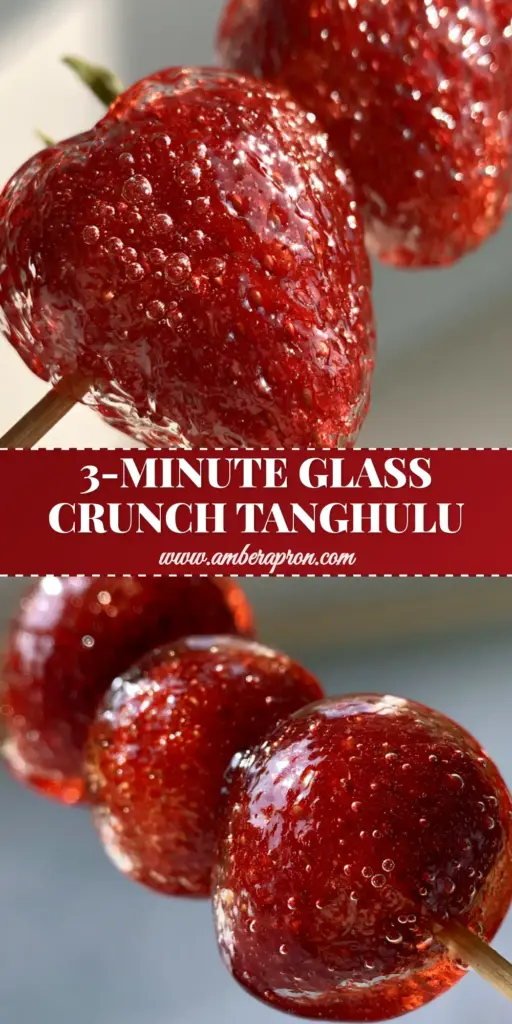
Mastering the Tanghulu technique is a rewarding challenge for any home cook. By following these forensic steps, you ensure every strawberry has that high-gloss finish and the perfect refractive layer that looks as good as it tastes.
We would love to see your creations! Share your results and your best “crunch” videos with us. Don’t forget to follow our Pinterest for more visually stunning recipe inspiration and tips.
If you enjoyed this guide, please leave a comment below and let us know which fruit you plan to candy next. Happy cooking!