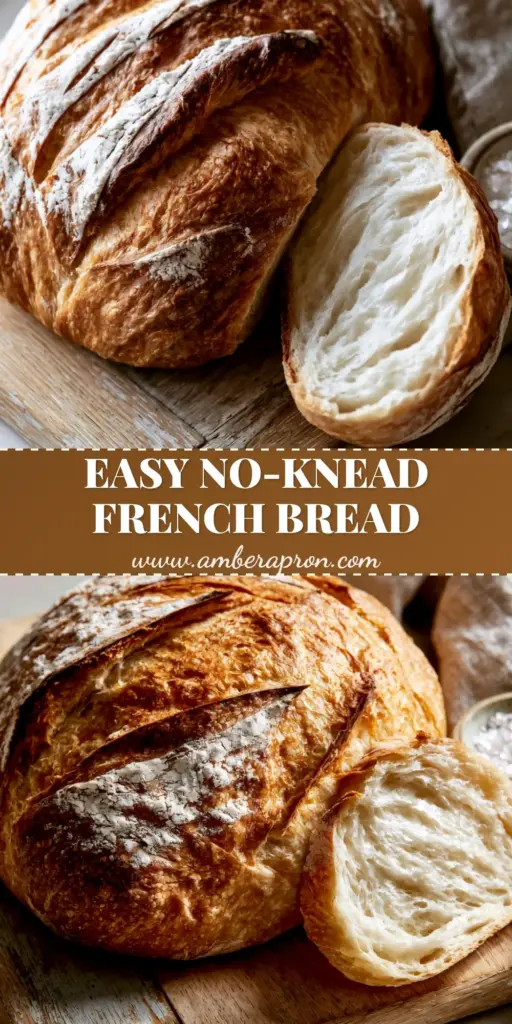
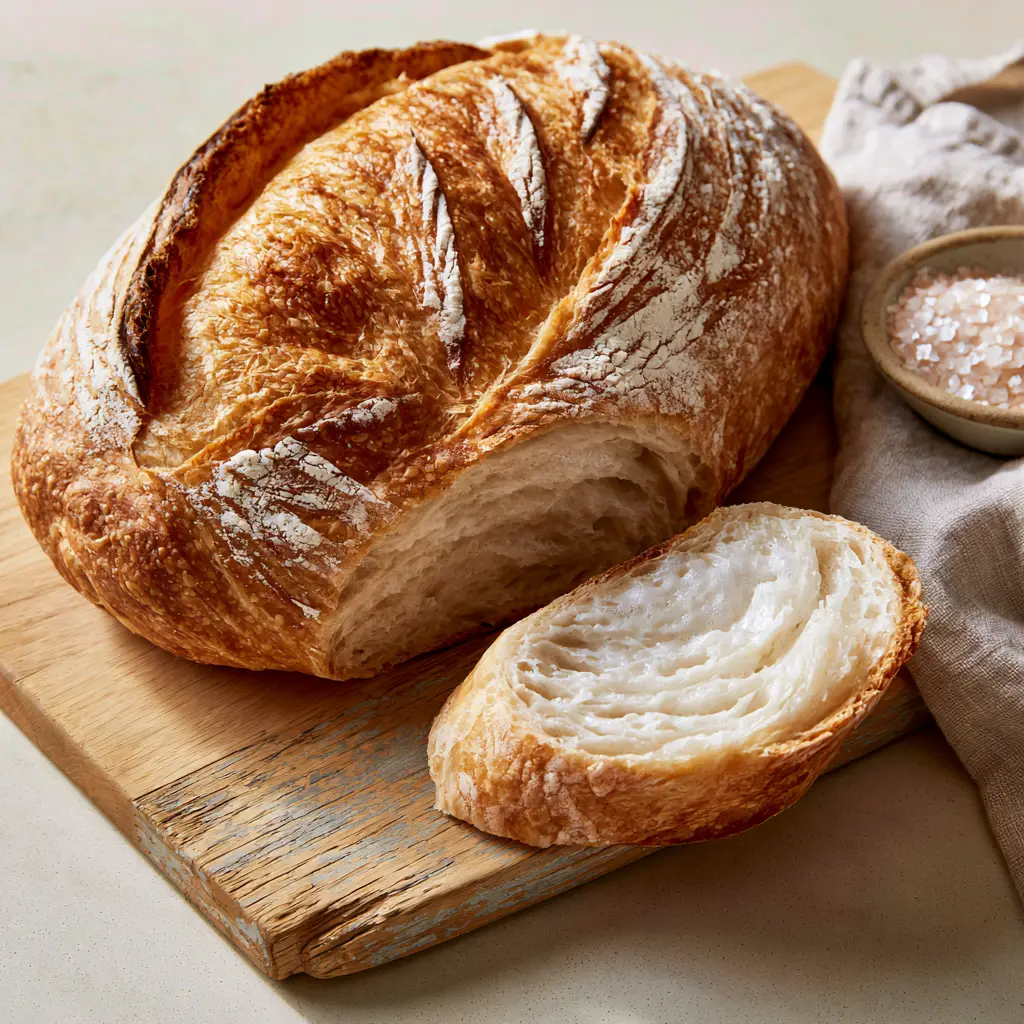
There is nothing quite like the aroma of fresh French bread wafting through a kitchen in the soft, natural morning sunlight. This recipe delivers a rustic, artisan loaf that looks like it stepped out of a high-end bakery and onto your light oak wood board. With a deep golden-brown crust that is shatteringly crisp and a soft airy white crumb, this bread is the ultimate culinary achievement for home cooks.
Every bite of this French bread offers a perfect contrast between the sharp, artisan scoring marks and the steaming, tender interior. Whether you are serving it alongside a hearty stew or enjoying it with a simple swipe of butter and flaked sea salt, this loaf is designed to impress. The aesthetic dusting of white flour in the crevices makes it a visual masterpiece, perfect for capturing that viral Pinterest moment before you dive in.
Why You Will Love This Artisan French Bread Recipe
- Shatteringly Crusty Texture: We use specific steam-injection techniques to ensure a deep golden-brown, crispy exterior.
- Perfect Open Crumb: The high-hydration dough creates a soft airy white crumb with beautiful holes for catching butter.
- Artisan Visuals: The light flour dusting and sharp scoring marks make this loaf look professional and rustic.
- Simple Ingredients: You only need five pantry staples to create this bakery-quality French bread.
- Scientifically Tested: This method ensures consistent results, even for beginner bakers who want that perfect “crunch.”
Essential Ingredients for the Best French Bread Loaf
To achieve that rustic, artisan look and taste, the quality and function of your ingredients matter. Here is what you will need for this French bread masterpiece.
Bread Flour: 3 ½ cups (435g). Bread flour has a higher protein content than all-purpose flour, which is essential for developing the strong gluten network needed for a soft airy white crumb.
Warm Water: 1 ½ cups (355ml). The water should be between 105°F and 110°F (40°C – 43°C) to properly activate the yeast without killing it. Hydration is key to the French bread structure.
Active Dry Yeast: 2 ¼ teaspoons (7g). This provides the lift and creates those beautiful air pockets inside the loaf. Make sure your yeast is fresh for the best rise.
Fine Sea Salt: 1 ½ teaspoons (9g). Salt regulates the yeast activity and provides the foundational flavor for the dough. Don’t skip it, or your French bread will taste flat.
Flaked Sea Salt: For finishing. A generous sprinkle of flaked sea salt on top of the scored crust adds a gourmet crunch and a pop of flavor that complements the earthy flour.
Artisan Flour Dusting: Extra bread flour for the surface. This creates the classic rustic look where the white flour sits beautifully in the scoring marks.
Mastering the Dough: Mixing and Hydrating
The journey to the perfect French bread begins with proper hydration. In a large bowl, combine your warm water and yeast. Let it sit for about 5 minutes until it becomes foamy and fragrant.
Slowly add the bread flour and fine sea salt to the yeast mixture. Use a wooden spoon or your hands to bring the dough together. It should feel slightly tacky but not stick to your fingers excessively.
Pro Tip: If the dough feels too dry, add water one tablespoon at a time. The goal for artisan French bread is a supple, elastic dough that can hold air bubbles effectively.
The First Proof: Building Flavor and Air
Knead the dough on a lightly floured surface for about 8-10 minutes. You are looking for a smooth, matte finish. Place the dough in a lightly oiled bowl and cover it with a neutral linen towel.
Allow the dough to rise in a warm, draft-free spot for about 1.5 to 2 hours. It should double in size. This “bulk fermentation” is where the French bread develops its characteristic yeasty flavor and airy crumb structure.
You will know it is ready when you gently poke the dough and the indentation stays. This means the gluten has relaxed enough to be shaped into your signature rustic loaf.
Shaping and Artisan Scoring Techniques
Gently turn the dough onto your light oak wood board. Deflate it slightly—don’t be too rough! Shape the dough into a long, tapered cylinder, similar to a traditional baguette or a shorter, wider batard.
Place the shaped loaf on a parchment-lined baking sheet. Cover again with your linen kitchen towel for a final 45-minute proof. This second rise ensures the interior remains steaming and soft after baking.
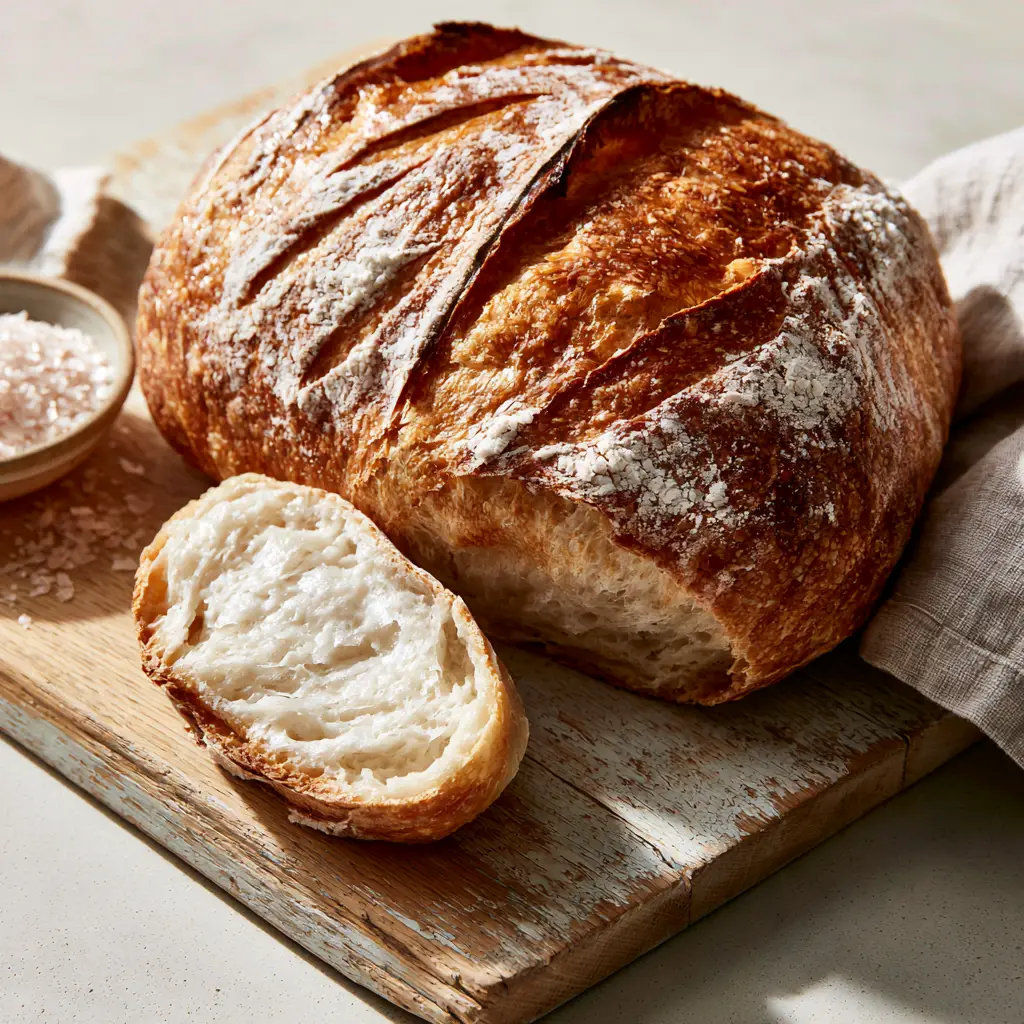
Now comes the visual magic. Dust the top of the loaf with a light, even layer of flour. Using a very sharp knife or a bread lame, create 3-4 deep, diagonal scoring marks across the top. This allows the French bread to expand beautifully in the oven without bursting.
The Secret to a Shatteringly Crusty Finish
Preheat your oven to 450°F (230°C). To get that deep golden-brown crust seen in our photography, we need steam. Place an empty metal tray on the bottom rack while the oven preheats.
Just as you slide your French bread into the oven, pour 1 cup of ice cubes into the hot metal tray. This creates a burst of steam that keeps the surface of the dough moist, allowing it to rise fully and develop a thin, shatteringly crusty exterior.
Bake for 20-25 minutes. The loaf should sound hollow when tapped on the bottom. The crust will be deep golden-brown, with the white flour providing a stunning artisan contrast in the cracks.
Expert Tips for Bakery-Style French Bread
- Use a Baking Stone: For the most even heat distribution and a professional bottom crust, bake your French bread on a preheated pizza stone.
- Don’t Rush the Cooling: As tempting as it is to slice into the steaming, soft interior immediately, let it rest for at least 30 minutes. The bread continues to set its structure while cooling.
- The Ice Cube Trick: Never skip the steam! Steam is what differentiates home-made bread from professional artisan French bread.
- High-Quality Salt: Using flaked sea salt as a finisher elevates the flavor profile significantly compared to standard table salt.
Storing and Reheating Your Homemade Loaf
French bread is best enjoyed the day it is made. However, you can store leftovers in a paper bag for up to 24 hours. Avoid plastic bags, as they will turn your shatteringly crusty exterior soft and rubbery.
To reheat, place the loaf in a 350°F (175°C) oven for 5-8 minutes. This will revive the crust while keeping the soft airy white crumb tender.
For long-term storage, slice the French bread and freeze it in a Ziploc bag for up to 3 months. Toast the slices directly from the freezer for a quick breakfast or snack.
What to Serve With This French Bread
This rustic loaf is incredibly versatile. Serve a thick slice alongside a classic pot roast recipe to soak up all those delicious savory juices.
It also makes the perfect side for a bowl of creamy tomato rigatoni. The soft airy white crumb is practically designed for dipping into pasta sauces.
If you’re hosting a dinner party, pair this French bread with garlic butter stir-fried vegetables for a balanced, textured meal. And don’t forget the drinks! A crusty slice of bread is a great palate cleanser when sipping on a refreshing French 75 cocktail.
For a sweet finish to your meal, follow up your artisan bread feast with a bowl of homemade banana pudding. The contrast between the salty, crusty bread and the creamy pudding is heavenly.
Frequently Asked Questions
Yes, but your bread will have a slightly tighter crumb. Bread flour’s higher protein content is what creates the strong gluten network and the classic soft, airy white interior.
The loaf should be a deep golden-brown. When you tap the bottom of the bread, it should sound hollow, indicating that the interior moisture has been properly distributed.
Add the flaked sea salt immediately after scoring, just before the loaf goes into the oven. This allows the salt to adhere to the moist dough during the baking process.
Scoring creates a controlled path for the bread to expand as it bakes. Without it, the bread might burst in weak spots, ruining the rustic artisan aesthetic.
A soft crust is usually caused by a lack of steam during the first 10 minutes of baking. Using the ice cube trick in a hot tray creates the humidity needed for a shatteringly crusty finish.
The Ultimate Crusty French Bread Recipe
French Bread: The Ultimate Crusty Artisan Loaf Recipe
Ingredients
Equipment
Method
- Combine warm water and yeast in a bowl; let sit 5 minutes until foamy.
- Stir in flour and sea salt. Knead for 8-10 minutes until smooth and elastic.
- Place dough in an oiled bowl, cover with a linen towel, and let rise for 1.5 to 2 hours until doubled.
- Shape into a long loaf on a light oak board. Proof for 45 minutes. Dust with flour and score with a sharp blade.
- Preheat oven to 450°F with a tray for steam. Add ice cubes to the tray and bake the loaf for 20-25 minutes until deep golden-brown.
Notes
Steam is vital for the 'shatteringly crusty' texture.
Save, Share, and Bake!
Did you fall in love with this French bread? If you achieved that shatteringly crusty exterior and soft airy crumb, please let us know! Save this recipe to your Pinterest “Bread Baking” board so you never lose it.
Follow amber_apron for more artisan baking tips and daily recipe inspiration. If you made this loaf, snap a photo of your deep golden-brown crust and share it in the comments below—we love seeing your results! Don’t forget to leave a 5-star rating to help other home bakers find this recipe.